Years Of Expertise
With years of experience in FRP product development and manufacturing, we guarantee efficient production and quick delivery without compromising on quality.




We Are Open 24 Hours a Day, 7 Days a Week, Including Weekends and Public Holidays.



Years Of Expertise
With years of experience in FRP product development and manufacturing, we guarantee efficient production and quick delivery without compromising on quality.

Custom Solutions
We offer tailored FRP products to meet the unique needs of each client, ensuring the best fit for their specific requirements.

Premium Raw Materials
Using only high-quality materials, we ensure our products deliver exceptional strength, durability, and resistance in all conditions.

Reliable After Sales Support
Our dedicated team provides ongoing support, from installation to maintenance, ensuring a seamless experience for our customers.
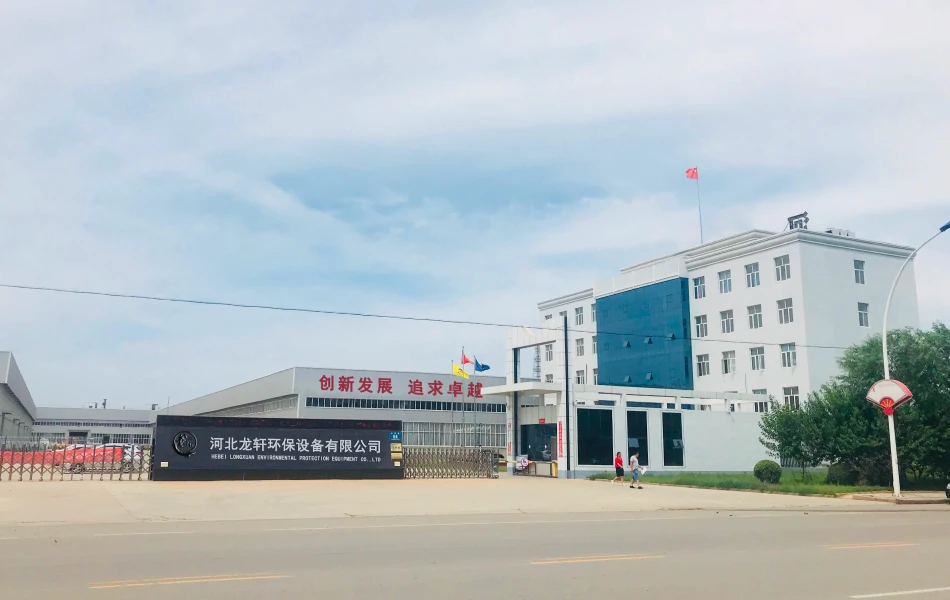
FRP Axial Flow Fan: field notes, practical specs, and what buyers are actually choosing in 2025 If you’re weighing an Axial Flow Fan For Sale right now, you’re not alone. Plants from chemical to food processing are quietly swapping out metal units for FRP—mostly to dodge corrosion, but also because energy prices are… well, you know. Industry pulse Corrosion-resistant builds (vinyl-ester FRP) beating galvanized steel in total cost of ownership. AMCA-tested performance data is now a purchasing must-have; buyers ask for ISO 5801 curves. Noise caps and variable-speed drives (VFD) are standardizing, especially in pharmaceuticals and textiles. Product snapshot: Frp Axial Flow Fan Origin: 20 Xingyuan South Street, Zaoqiang County, Hengshui, Hebei, China. Air volume: 500–300,000 m³/h. Built for chemical plants, sewage and petrochemical lines, pharmaceuticals, power, food processing, paper & textile mills, coating shops, electronics, printing, leather—if it smells harsh or damp, this is its natural habitat. Parameter Typical Range Notes (real-world may vary) Air volume ≈ 500–300,000 m³/h Per model and blade pitch Static pressure ≈ 80–1,200 Pa Tested per ISO 5801/AMCA 210 Efficiency up to ≈ 72% With optimized airfoil blades Noise ≈ 65–85 dB(A) @1m Per ISO 5136; silencer optional Temperature -20 to +80°C (higher on request) Resin & motor selections matter How it’s made (short version) Materials: E-glass fabric, vinyl-ester resin, UV inhibitors, anti-static gelcoat (optional), 304/316 hardware. Methods: hand lay-up + filament winding; dynamic balancing to ISO 14694 G2.5 or better. Testing: aerodynamic per ISO 5801 / AMCA 210; vibration per ISO 14694; insulation IP55–IP66; ATEX on request. Service life: around 10–15 years in corrosive duty with standard maintenance. Where it fits Chemical scrubbers, wastewater aeration halls, solvent rooms, neutralization pits, tablet coating, boiler rooms, paper drying, dye shops, paint lines, electronics etching. Many customers say the corrosion resistance ends the yearly replacement cycle—surprisingly calm on the capex budget. Why FRP over steel? Corrosion immunity to acids/alkalis; less repainting, fewer shutdowns. Lighter housing reduces loads, makes rooftop installs friendlier. Stable airflow with anti-spark options for solvent zones. Vendor Strengths Potential Trade-offs Longxuan FRP (Hebei) Wide airflow range, custom resins, AMCA-style tests, quick lead times Needs clear spec for chemicals/temps Steel fan competitor High-temp tolerance, rugged frames Corrosion risk, heavier, repaint cycle Generic importer Low upfront price Sparse test data, variable QA, spares lag Customization that actually matters Blade pitch, diameter, and motor kW optimized to duty point (best efficiency island). Resin chemistry by media: HCl, NaOH, H2S, chlorine—tested coupons help, to be honest. ATEX motor, spark-proof liners, sound traps, dampers, VFD packages. Coatings: anti-UV, anti-static; flanged or square casings; epoxy base frames. Real-world cases Wastewater plant (aeration hall): 45,000 m³/h @ 320 Pa; noise trimmed from 83 to 74 dB(A) with inline silencer; energy cut ≈ 11% after VFD tuning. Acid scrubber line (chemical): 22,000 m³/h; vinyl-ester FRP held up against HCl mist; visual inspection after 18 months showed no blistering. What users say “Install was half a day, no crane drama.” “We expected minor vibration; got almost none after balancing.” It seems that after commissioning, the maintenance log stays boring—usually a good sign. Compliance & documentation Performance: ISO 5801 / AMCA 210 test method; design per ISO 14694. Quality: ISO 9001 factory QA; CE marking available; ATEX zones on request. Noise: ISO 5136 duct method; safety guarding per EN ISO 13857. If you need a data-backed quote or a fast check on chemical compatibility, ask for the duty point and media list. And yes, samples of corrosion coupons help. For a straight path to procurement, tag your inquiry with “ Axial Flow Fan For Sale ” and required standards. References ISO 5801: Industrial fans — Performance testing using standardized airways. AMCA 210 (ASHRAE 51): Laboratory methods of testing fans for aerodynamic performance. ISO 14694: Industrial fans — Specifications for balance quality and vibration. ISO 5136: Acoustics — Measurement of sound power radiated into a duct by fans.





Address
20 Xingyuan South Street, Zaoqiang County, Hengshui City, Hebei Province, China